November 27, 2025
6 min read
In this blog we will cover:
Which Angle Grinder is Best to use with Cutting Discs?
When choosing an angle grinder to use with cutting discs the most important thing to consider is grinder power…
A quick search online will show that you can buy a 4 1/2″ grinder with motor power that ranges anywhere between 650 and 1700 watts. If you are working with a lower power motor grinder and you need torque then there is really no point buying a premium cutting disc, it just won’t give the performance. As a rough guide, the thicker the metal you are cutting, the more torque, and therefore the more power you will need.
For stainless fabrication where you are often working with 1.2mm or 2mm thick metal we recommend a minimum 900 watt motor on your angle grinder.
For metal fabrication you are more commonly working with thicker material and we would therefore recommend going to at least a 1000 watt. And we would recommend the highest power motor you are able to use effectively. At AFS we always demonstrate our products on a 1700 watt motor to ensure peak performance.
What About Disc Diameter?
We know that many people prefer 115mm machines because they were traditionally lighter but that is often less true with the more recent machines. The motor body size is normally the same for both 115 and 125mm diameter grinder bodies from the same machine manufacturer.
For example. On the Metabo WE 1500-125 RT the motor body is the same size as the 115mm machine. So we can directly compare useful disc life:
Thin or Thick. Which Cutting Disc is Better?
There is a significant health & safety aspect to this question. A 1mm thin cutting disc will:
Thicker discs will do the opposite. The extra thickness gives the disc a lateral rigidity which allows the operator to work at a higher pressure.
Are Metal Cutting Discs the Same as Stainless Slitting Discs?
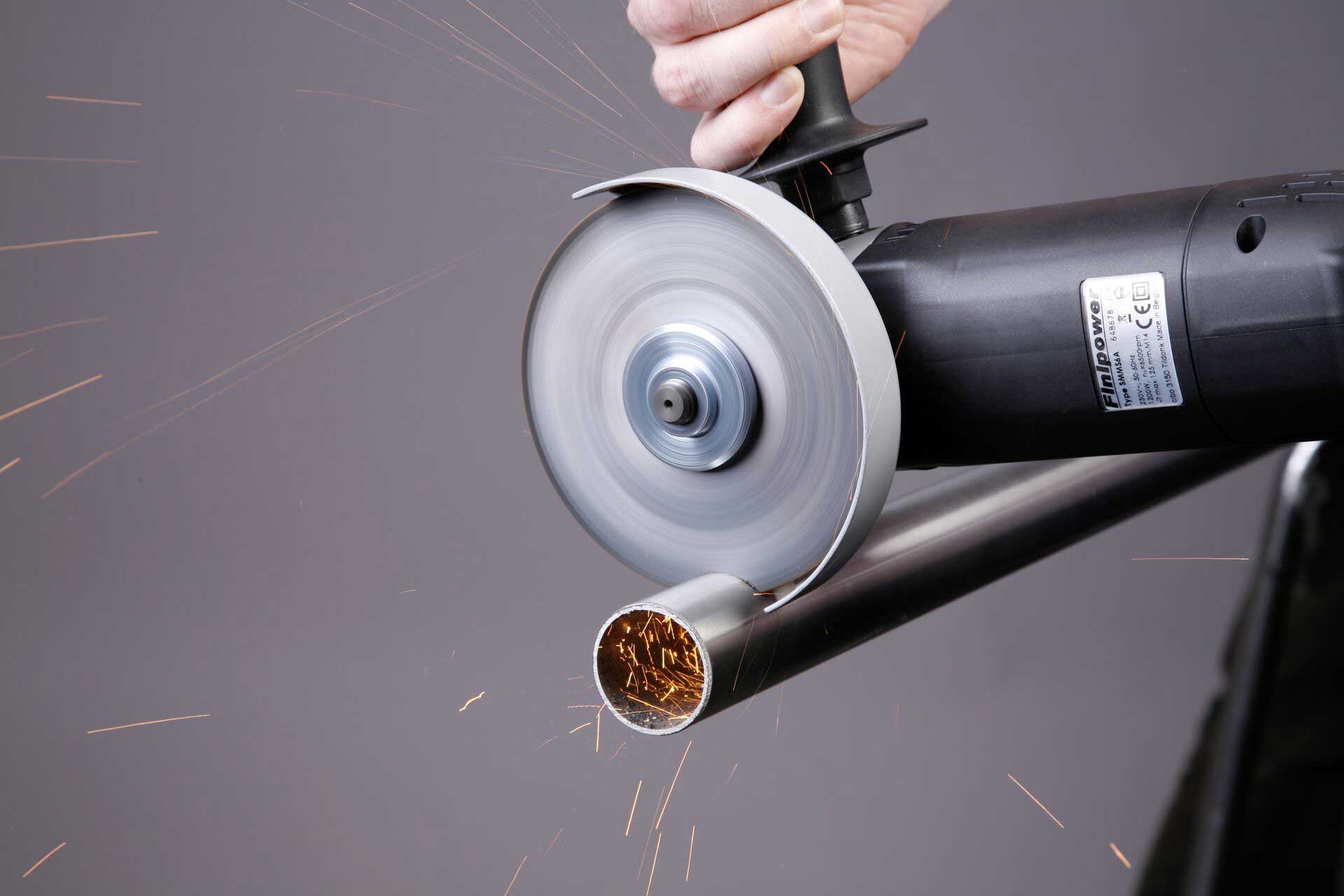
You can still buy cheap cutting discs which are designed only for cutting steel but there are two main differences between a disc specified for steel compared to a stainless steel disc.
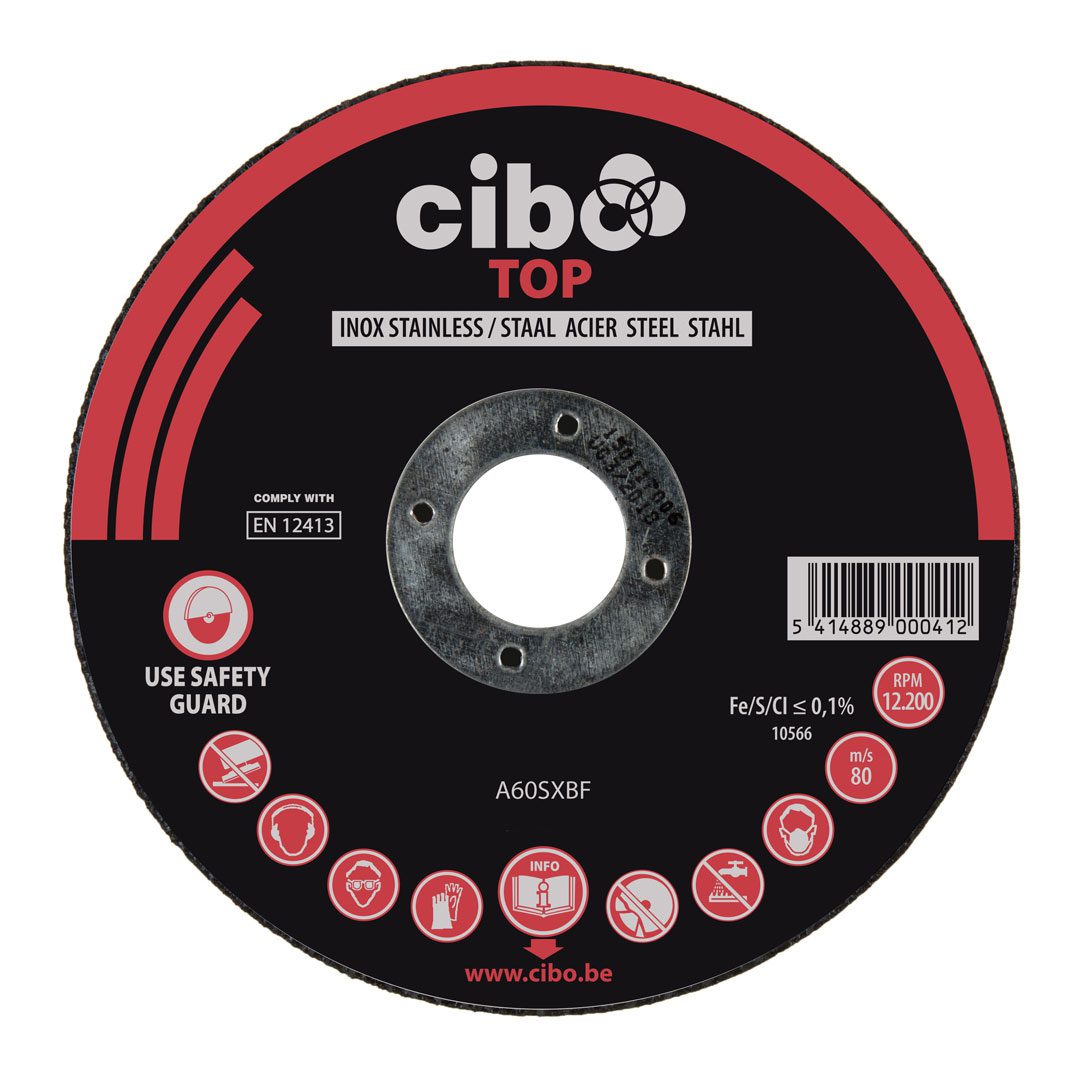
Firstly the quality of the abrasive grain. Unless the metal cutting discs are specified as iron free they should not be used on stainless steel. Free iron in the disc will cause the stainless steel to rust. Cutting stainless steel is more challenging so Cibo INOX discs use a higher quality abrasive grain in the disc.
Secondly the resin bond in which the abrasive grain is held. For our Industrial Line discs we specify an A60RBF. The letter R denotes the bond type. Too hard a bond and the disc will lose it’s cut when working on stainless steel. Too soft a bond and it will wear out too quickly when cutting steel. The Cibo Top Line discs use a different grain blend which allows them to use a harder S bond. Just one of the reasons why the Cibo Top Line cutting discs are so good.
The balance of abrasive grain against the resin bond means that the Cibo cutting disc range will work just as well on steel as it does on stainless steel.
Are Premium Performance Slitting Discs Really Worth the Money?
It really does depend. If you are working in a fab shop where most of your slitting discs get thrown away or damaged before they reach end of life, then obviously not.
The Cibo premium cutting discs use zirconia and ceramic abrasive grains to ensure a fast and cooler cut. In partnership with the grain used, additional lifetime improvements come from the bonding technology in the slitting disc. The right wear combined with cutting capability reduces the wear rate of the disc. Finally, Cibo ensure the correct grinding aids are used to improve the performance further and provide the best performing discs on the market.
So if you have a machine with good torque. You are able to use the full capacity of the disc. And you can measure performance. YES. The Cibo Top Line and Cibo Ultra cutting discs will more than reward you in lower costs.
What About Safe Use of Cutting Discs?
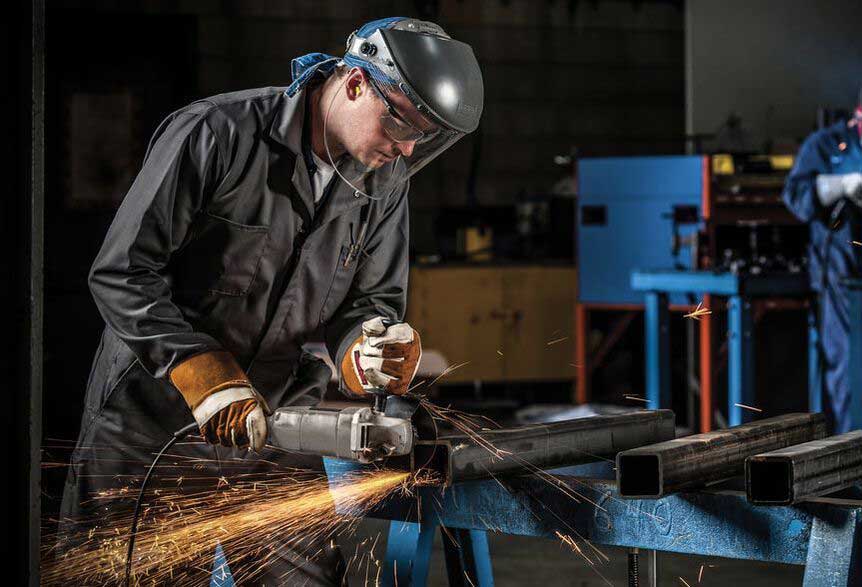
Over the years we have seen more injuries from cutting discs than any other abrasive product. The vast majority of those injuries have been from product abuse. The most common injuries are from fingers being lost. Here are some simple Do’s & Don’ts.
If you want to be certain of consistency of manufacturing of cutting and grinding products then we would always recommend you buy discs which meet the international standard for abrasive safety manufacturing which is governed by OSA – The Organisation for the Safety of Abrasives. All Cibo cutting & grinding discs are made to this standard.
So Which Cutting Disc is Best?