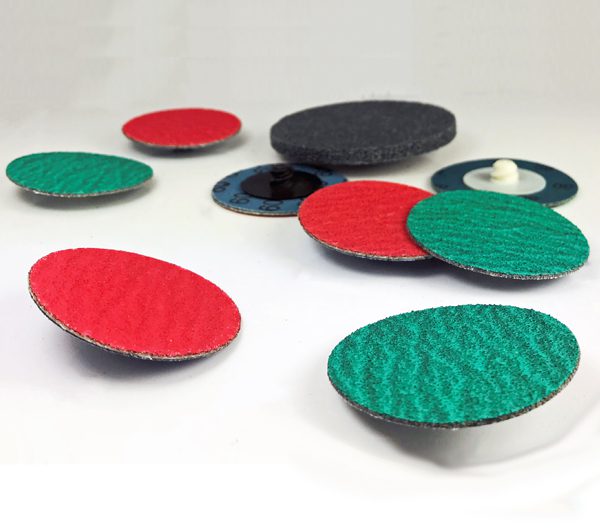

Socatt and Roloc Quick Change Disc Guide

It can be easy to mix up Roloc and Socatt Quick Change Discs. Below is an easy guide on the key differences and how to choose the right disc for you.

What is the Difference Between Socatt & Roloc Quick Change Sanding Discs?

The history of quick change discs goes back quite a long way.  The Socatt quick change system was developed over 40 years ago by Standard Abrasives in California.  The Socatt system was the only quick change disc system for quite a number of years before 3M decided to develop a competitor system called RolocTM.

Socatt Discs

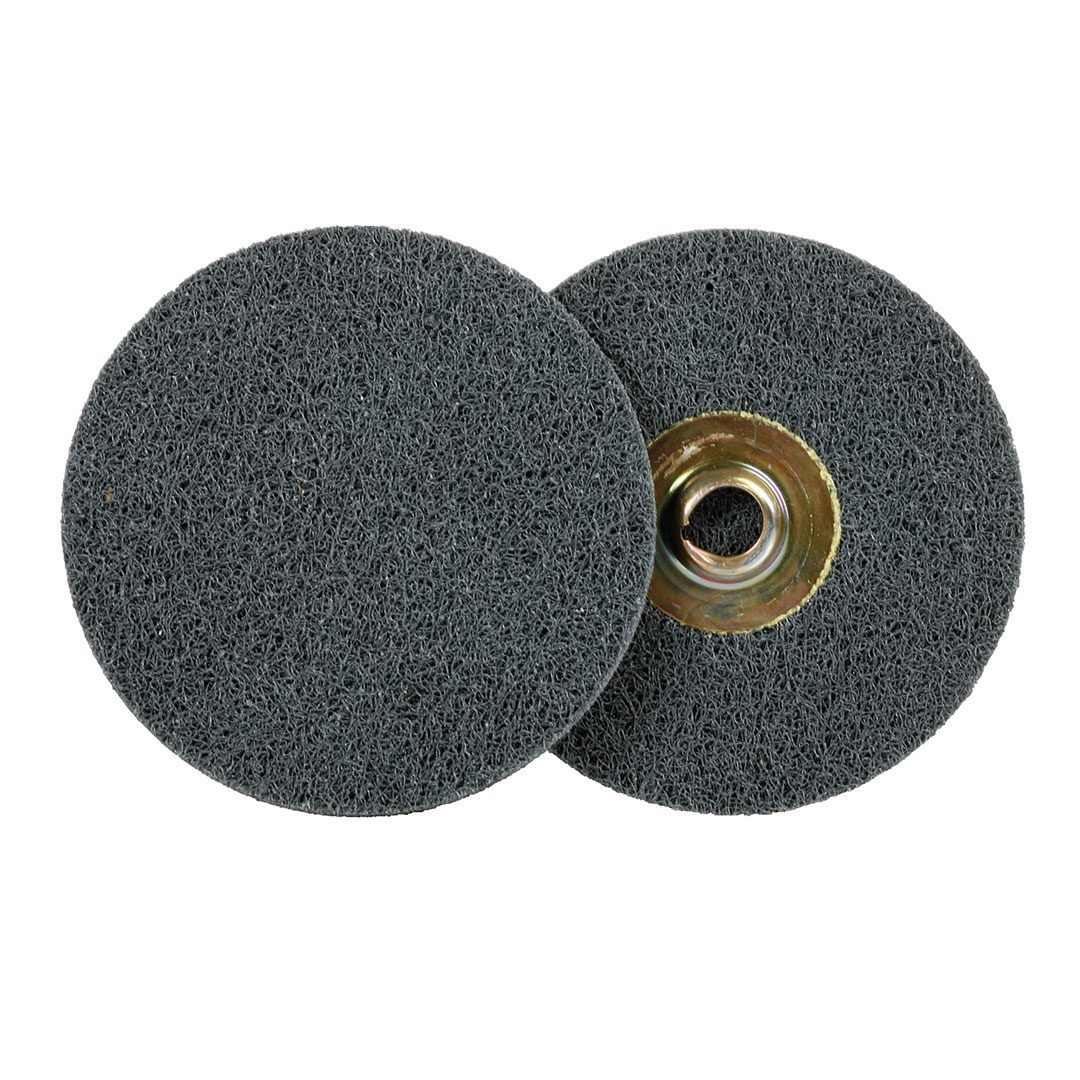
Socatt discs have a metal to metal fixing on the back of the abrasive disc locking into a metal holder on the back up pad.  It creates a stronger fixing than the Roloc but it is a little less flexible. 

Each Socatt button is unique to the particular diameter.

Cibo Abrasives manufacture their own Socatt discs using the same metal fixing.

All part numbers for the Socatt abrasive discs in the Cibo range begin with QS (quick change – Socatt). For example QSMA/5/75 are the unitised density 5 finishing discs (pictured).

QSMA unitised socatt quick change disc

Roloc Discs

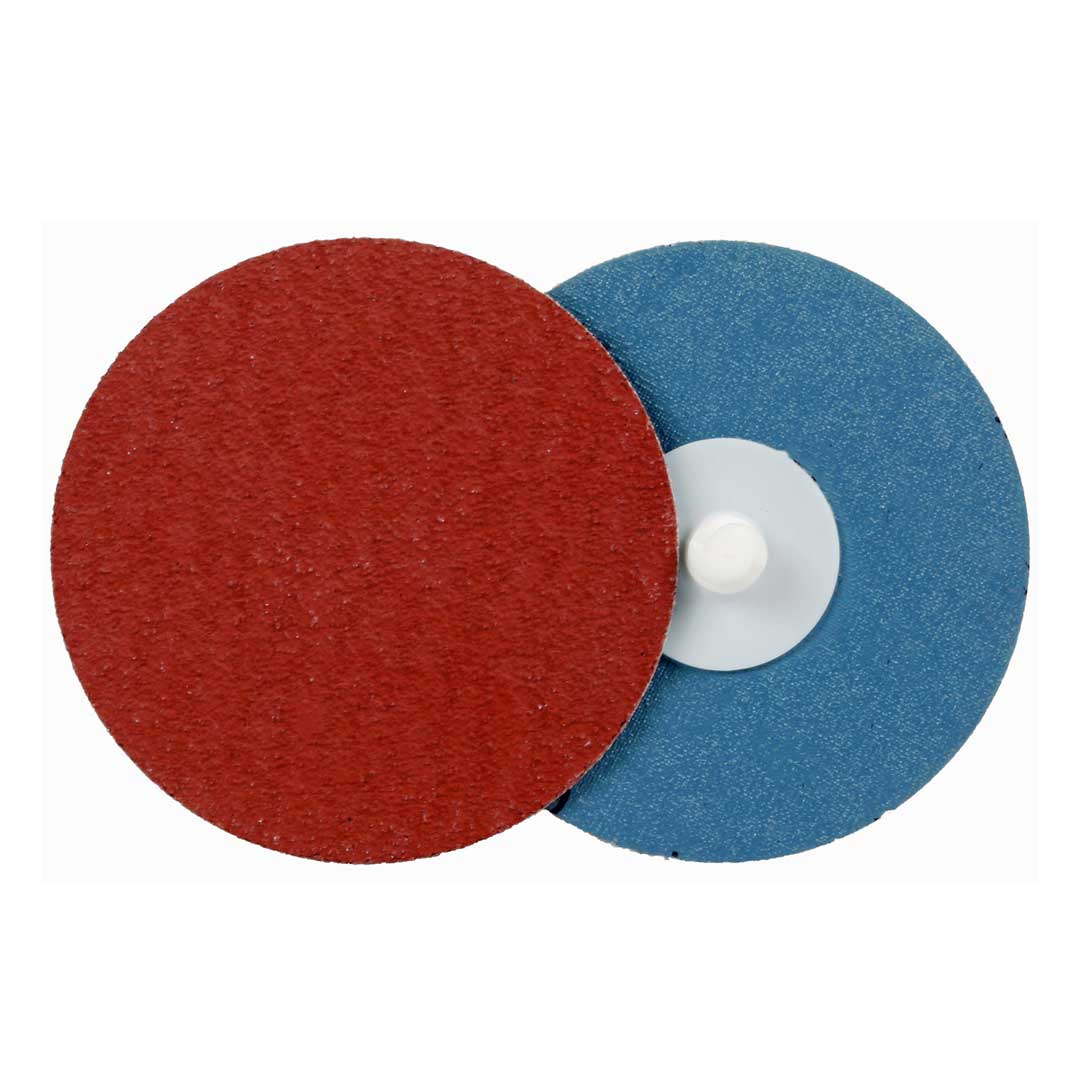
Roloc quick change discs use a plastic button on the back of the abrasive disc which screws into a female thread on the back up pad.

The RolocTM button is the same size regardless of the disc diameter which allows more flexibility to change between disc diameters.  For example, a 75mm Roloc disc can be used on a 50mm back up pad.  Thus increasing the options for how RolocTM discs can be used.

Cibo make their own Lockit / RolocTM system using the same button fixing as 3M.

All part numbers for the Roloc abrasive discs in the Cibo range begin with QL (quick change – Lockit). For example QLPP/80/75 are the 80 grit ceramic sanding discs (pictured).

QLPP Lockit Quick Change Discs

Why Choose Quick Change Sanding Discs?

  1. All the time spent on changing abrasive discs is time lost.  Time that could be spent on sanding and finishing the job.  This is of benefit both to the operator and to the reduction in overall processing costs.
  2. Working with 50 or 75mm discs is easy and comfortable for the operator to be able to see the workpiece thus reducing the risk of damage or costly re-work.
  3. Quick change discs offer a complete system.  From very high stock removal to mirror polishing.  All on one tool.

Cibo Roloc and Socatt coated abrasive discs are normally manufactured with a 2-ply backing structure to increase the strength and performance of the abrasive discs.


What Abrasives Are available on the Cibo Lockit and Socatt Discs?

Cibo have recently launched their new premium range of quick change discs.  All manufactured by Cibo in Belgium.


There are 5 families of coated abrasive Quick Change
  1. Industrial Line – Aluminium oxide (QLAO or QSAO)
  2. Performance Line – Zirconia / Ceramic blend with grinding aids (QLZC or QSZC)
  3. Ultimate Line – Cibo Ceramics with grinding aids (QLPP or QSPP)
  4. Super Grind – Using the new Actirox 36 grit abrasive grain. Nothing will touch the new Super grind discs for speed of cut on any metal.
  5. Miniflap – Zirconium Oxide (MLZV or MSZV)

And a Wide Range of Cibo Quick Change Finishing Discs
  1. RCD – Quick Change
  2. Tex – Buff & Blend Quick Change
  3. Surface Conditioning Quick Change
  4. Unitised Quick Change
  5. Felt Quick Change

Which Backing Pad Should I use with Quick Change Discs?

We would recommend you go to our backing pad page for more details:  Quick Change Backing Pads
Cibo supply 3 different colour coded backing pads for of RolocTM and Socatt back up pads with a different hardness. The softer the pad the more flexible the finishing action will be.

Hard = red collar

Medium = blue collar

Soft – grey collar

Cibo have also made the backing pads to be inter-changeable. To adapt a 6mm spindle backing pad to fit onto an angle grinder simply use the MHD8 adapter.

roloc 75mm back up pad with M14 fixing
EmailFacebookTwitterPinterest

What is the Difference Between Socatt & Roloc Quick Change Sanding Discs?

The history of quick change discs goes back quite a long way.  The Socatt quick change system was developed over 40 years ago by Standard Abrasives in California.  The Socatt system was the only quick change disc system for quite a number of years before 3M decided to develop a competitor system called RolocTM.

Socatt Discs

Socatt discs have a metal to metal fixing on the back of the abrasive disc locking into a metal holder on the back up pad.  It creates a stronger fixing than the Roloc but it is a little less flexible. 

Each Socatt button is unique to the particular diameter.

Cibo Abrasives manufacture their own Socatt discs using the same metal fixing.

All part numbers for the Socatt abrasive discs in the Cibo range begin with QS (quick change – Socatt). For example QSMA/5/75 are the unitised density 5 finishing discs (pictured).

QSMA unitised socatt quick change disc

Roloc Discs

Roloc quick change discs use a plastic button on the back of the abrasive disc which screws into a female thread on the back up pad.

The RolocTM button is the same size regardless of the disc diameter which allows more flexibility to change between disc diameters.  For example, a 75mm Roloc disc can be used on a 50mm back up pad.  Thus increasing the options for how RolocTM discs can be used.

Cibo make their own Lockit / RolocTM system using the same button fixing as 3M.

All part numbers for the Roloc abrasive discs in the Cibo range begin with QL (quick change – Lockit). For example QLPP/80/75 are the 80 grit ceramic sanding discs (pictured).

QLPP Lockit Quick Change Discs

Why Choose Quick Change Sanding Discs?

  1. All the time spent on changing abrasive discs is time lost.  Time that could be spent on sanding and finishing the job.  This is of benefit both to the operator and to the reduction in overall processing costs.
  2. Working with 50 or 75mm discs is easy and comfortable for the operator to be able to see the workpiece thus reducing the risk of damage or costly re-work.
  3. Quick change discs offer a complete system.  From very high stock removal to mirror polishing.  All on one tool.

Cibo Roloc and Socatt coated abrasive discs are normally manufactured with a 2-ply backing structure to increase the strength and performance of the abrasive discs.


What Abrasives Are available on the Cibo Lockit and Socatt Discs?

Cibo have recently launched their new premium range of quick change discs.  All manufactured by Cibo in Belgium.


There are 5 families of coated abrasive Quick Change
  1. Industrial Line – Aluminium oxide (QLAO or QSAO)
  2. Performance Line – Zirconia / Ceramic blend with grinding aids (QLZC or QSZC)
  3. Ultimate Line – Cibo Ceramics with grinding aids (QLPP or QSPP)
  4. Super Grind – Using the new Actirox 36 grit abrasive grain. Nothing will touch the new Super grind discs for speed of cut on any metal.
  5. Miniflap – Zirconium Oxide (MLZV or MSZV)

And a Wide Range of Cibo Quick Change Finishing Discs
  1. RCD – Quick Change
  2. Tex – Buff & Blend Quick Change
  3. Surface Conditioning Quick Change
  4. Unitised Quick Change
  5. Felt Quick Change

Which Backing Pad Should I use with Quick Change Discs?

We would recommend you go to our backing pad page for more details:  Quick Change Backing Pads
Cibo supply 3 different colour coded backing pads for of RolocTM and Socatt back up pads with a different hardness. The softer the pad the more flexible the finishing action will be.

Hard = red collar

Medium = blue collar

Soft – grey collar

Cibo have also made the backing pads to be inter-changeable. To adapt a 6mm spindle backing pad to fit onto an angle grinder simply use the MHD8 adapter.

roloc 75mm back up pad with M14 fixing
EmailFacebookTwitterPinterest