How to Choose the Correct Abrasive Belts for Hand Held Machines

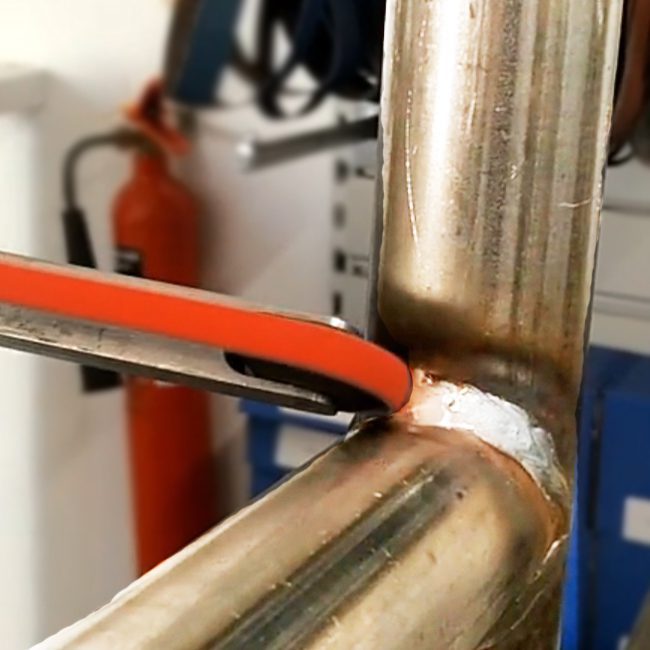
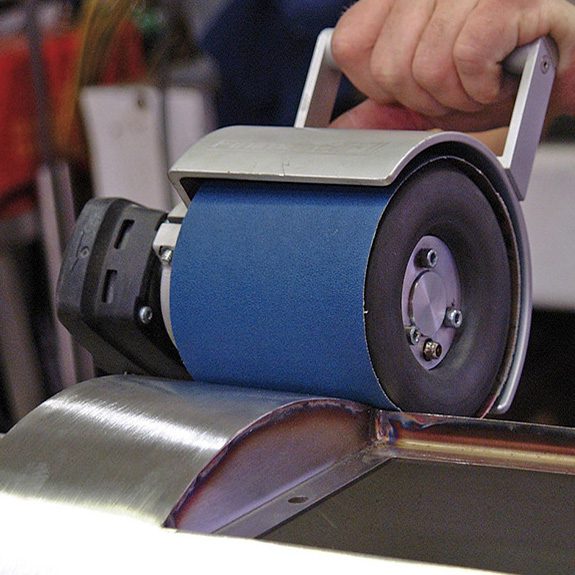
When choosing abrasive belts for hand held machines, such as powerfiles, tube polishers or drum sanders, there are multiple factors to consider.

Abrasive Belt Grit Types

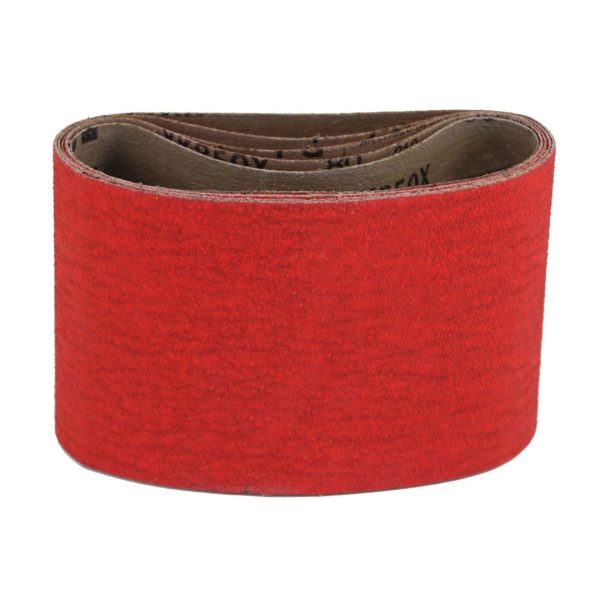
Ceramic:

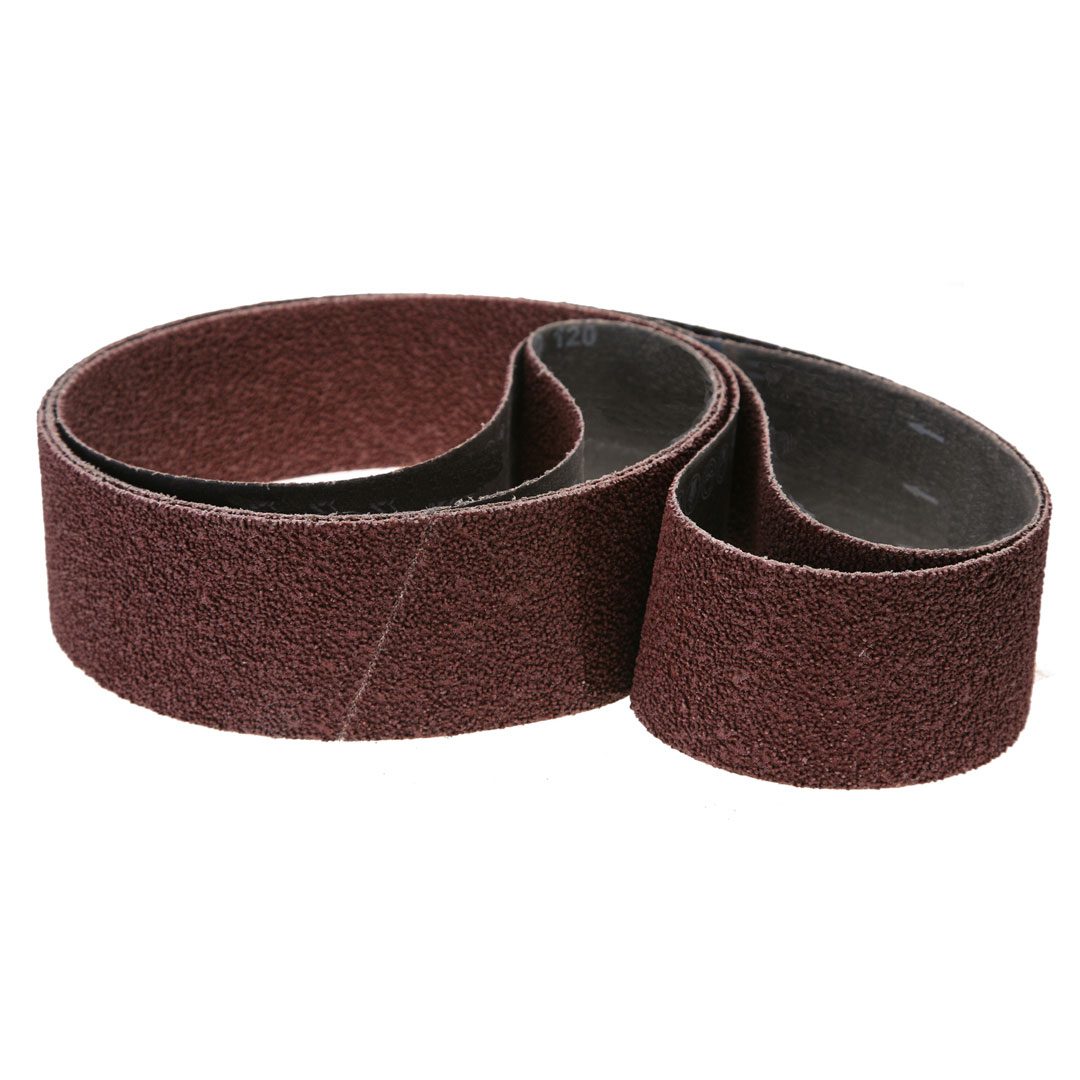
Ceramic aluminium oxide abrasives are best used with harder metals and also in heavier duty grinding operations.  We particularly recommend the FX87 ceramic belts for aggressive grinding with powerfile machines. They provide excellent grinding power combined with a durable backing.

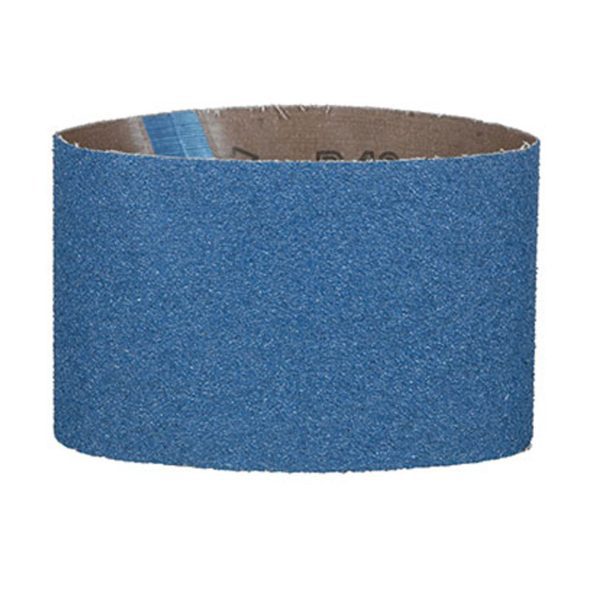
Zirconia:

Zirconium Oxide.  Not quite as tough as ceramic abrasives the zirconia abrasive grits are still very popular for steel. But wherever the belt performance can be measured zirconium oxide abrasive belts are often being replaced by the ceramic abrasives.

Aluminium Oxide:

Aluminium Oxide belts.  It is easy to underestimate the importance of aluminium oxide abrasives.  They are not as tough as zirconia or ceramic but they are ideal for finer sanding of steels and stainless steels. Most definitely the best option when fine sanding softer metals such as aluminium or brass.

Compact Grain:

Compact grain belts.  Not technically a different abrasive grain, compact grain abrasive belts are an agglomeration of a number of abrasive grains into a larger mass. This is then coated on the abrasive belt.  Compact grain belts can therefore last considerably longer than a traditional abrasive belt and give a much more consistent finish.  Compact grain belts are often a great choice for satin finishing sheet stainless.

Trizact:

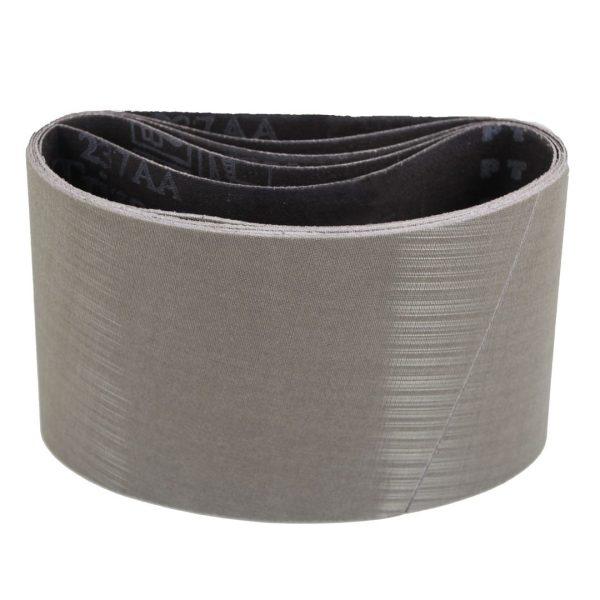
Trizact belts.  This material is in effect another agglomerate type of abrasive.  Trizact is stocked in lots of powerfilestube polishers and drum sander belt sizes for mirror polishing preparation. The two main differences between Trizact belts and other compact grain belts are:

  • They are coated and bonded into a consistent shape from within a slurry.
  • All the abrasive grains used are to a measured and tighter tolerance mesh size. So they are the most consistent abrasive belt you can buy if consistency of finish is critical.
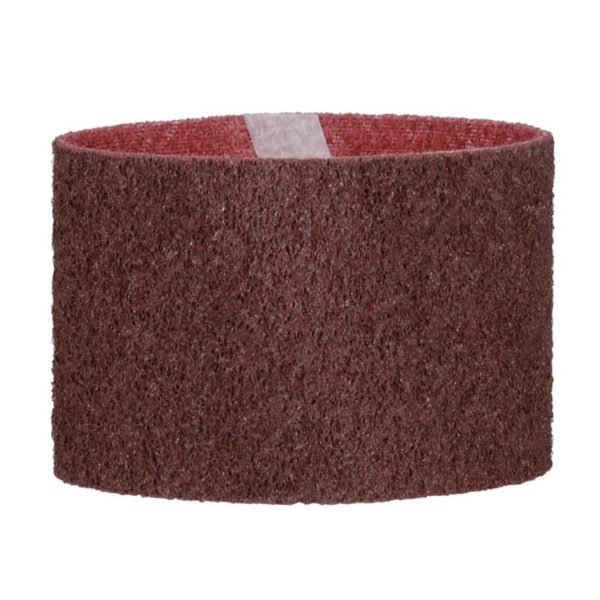
Surface Conditioning:
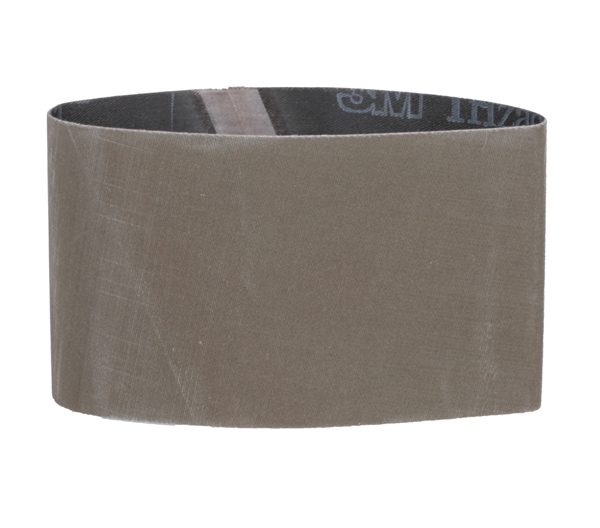
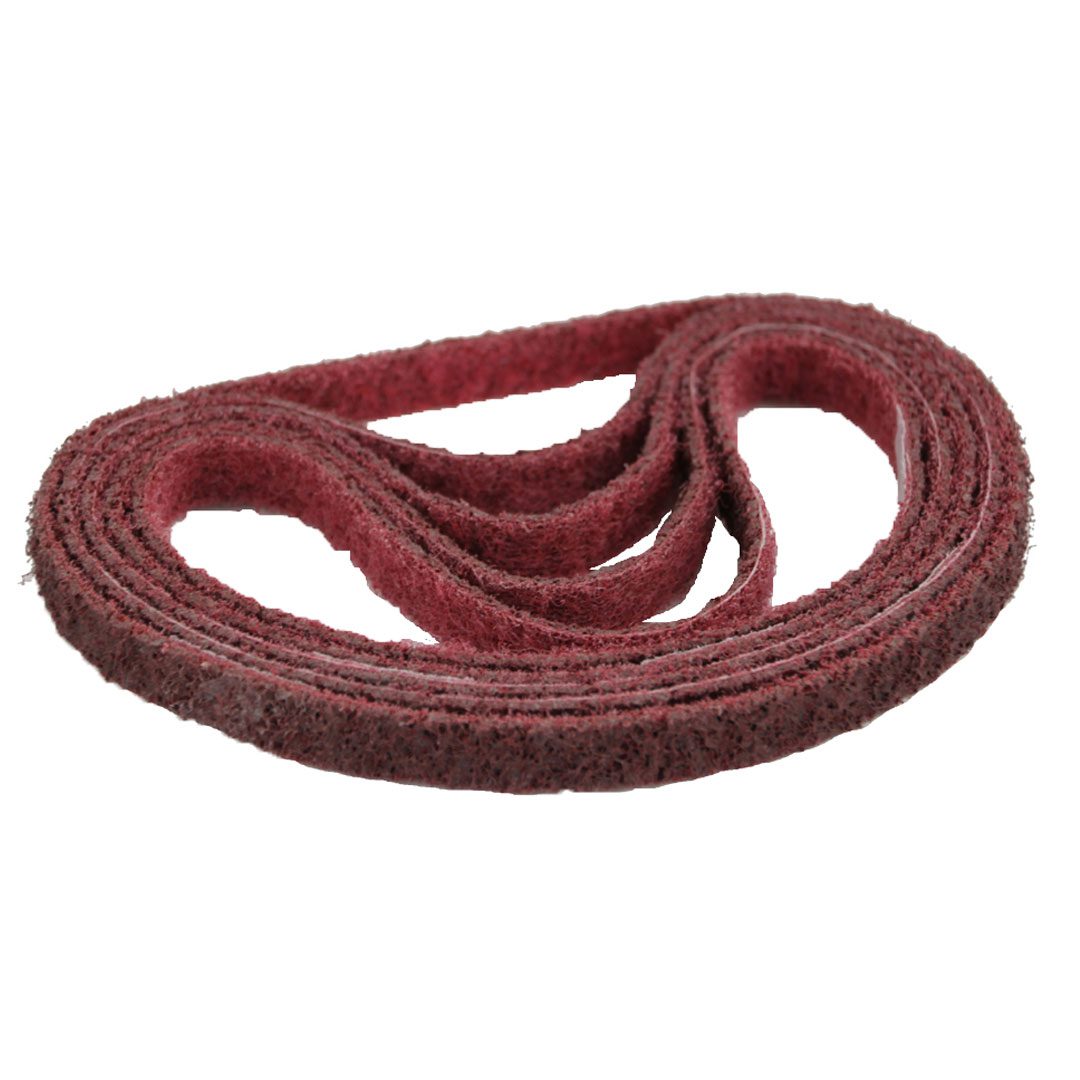
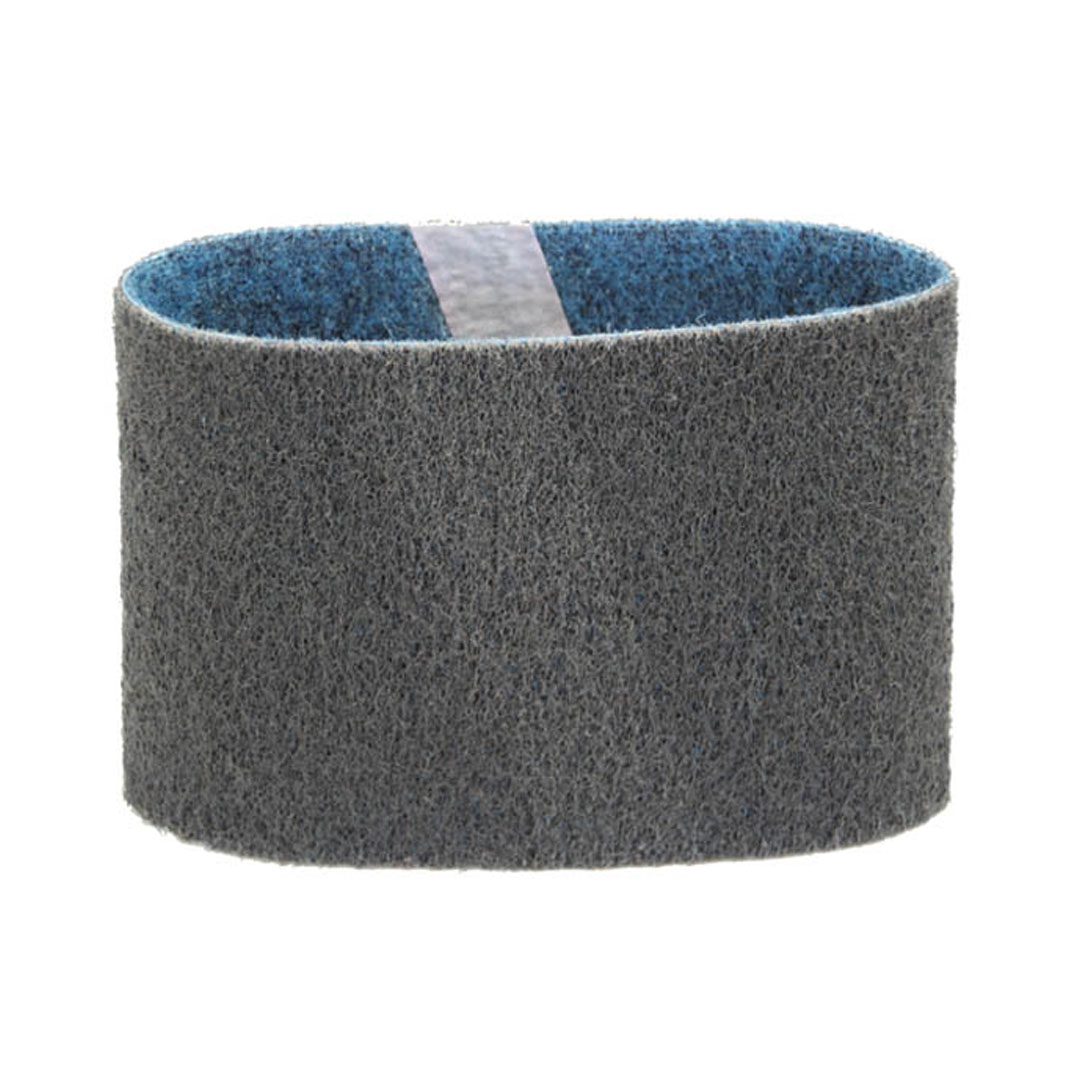
  • Surface Conditioning Belts.  Often called conditioning belts or ‘scotch-brite’ belts.  As their name suggests they are excellent for refining and blending applications.  The biggest benefit of conditioning belts is that they will leave a consistent, burr free finish. Which is ideal wheel finishing stainless steel in preparation for food or pharmaceutical processing machinery. SCM belts are available from stock across the full range of hand held finishing and polishing belts.

Abrasive Belt Strength & Flexibility

Often overlooked by customers when requesting a new belt.  Flexibility can make all the difference as to whether a grinding or sanding belt will do what you need. And is particularly important when working with hand held machines such as powerfilestube polishers or drum sanders. Cloth belt backings are often given a letter code which gives a clue as to how flexible an abrasive belt is.

  • F or J weight abrasive belts are very flexible and tend to be used in lighter and less aggressive applications
  • H or X weight abrasive belts will be stiffer.  They are used in intermediate grinding applications, but also in finer sanding belts where flexibility is less important. (Such as on wide belt sanders).
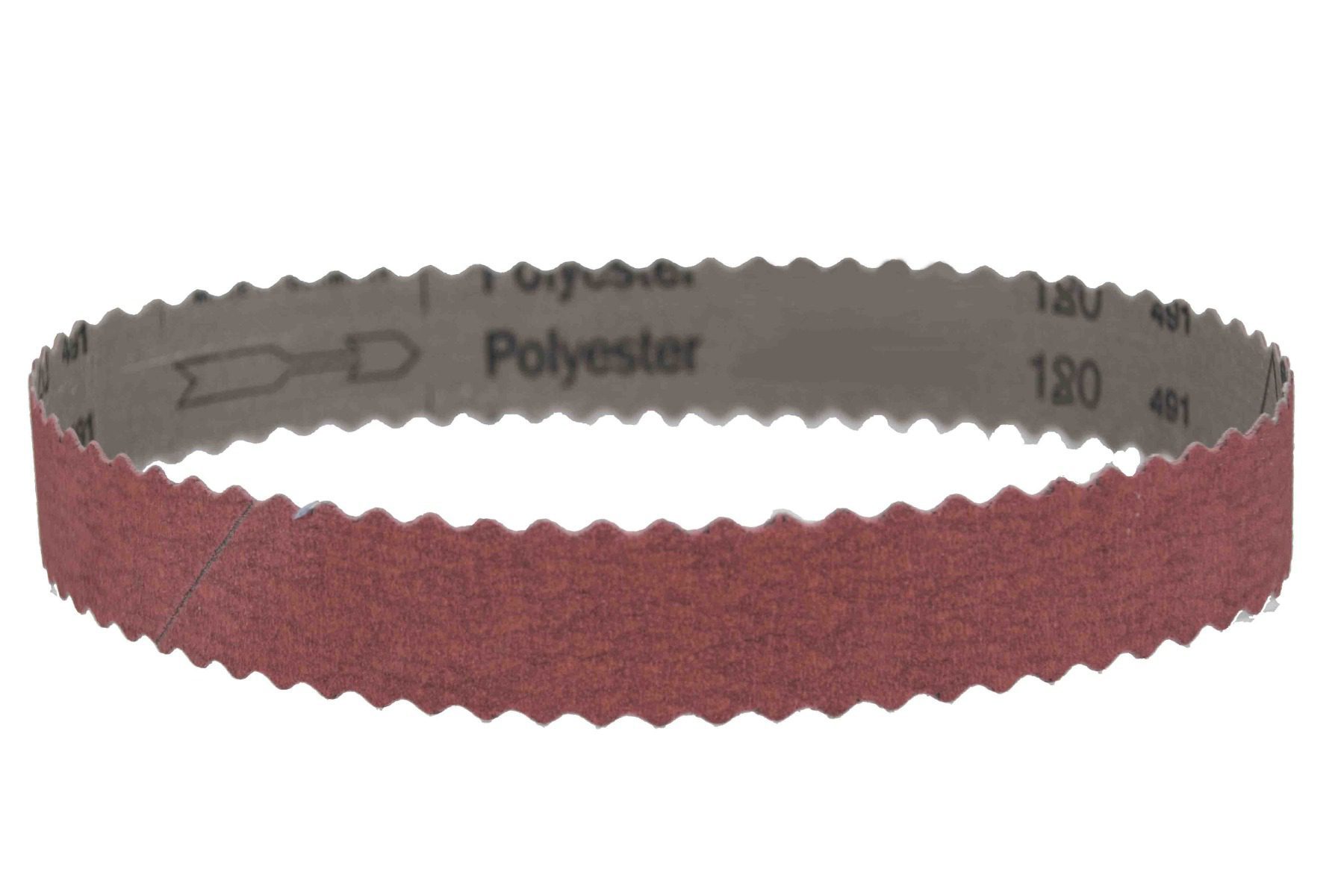
  • Y weight are the heaviest duty backings are often also a polyester cloth to give even more strength to the product.  Premium performance backstand grinder belts such as the FX87 ceramics are often a Y weight polyester.

Flexibility can also be varied by drawing the abrasive belt material over a series of rollers and bars to create various flex characteristics.  If you believe you may need specific flex characteristics to improve your abrasive belt life then please contact AFS to discuss your specific application.

Is the Abrasive Belt Waterproof?

Perhaps less import in most hand held machine applications but it is important to note the capacity to have abrasive belts which have a waterproof backing.  Working under flood conditions will aid with removing grinding swarf and also in keeping both the abrasive belt and the workpiece cool. Many of our abrasives are made with polyester or poly-cotton backings.  Any of these products can be used safely under wet conditions.

Which Belt joint should I use on my Hand Held Sanding Machine?

Cibo put a lot of care into the manufacture of abrasive belt joints and offer 8 different ‘standard’ belt joint options.  However, after years of research and development Cibo have now developed a standard tape joint option which accounts for 90% of abrasive cloth belt options.  Particularly for hand held power tools the standard joint is the BB butt joint.
Check out some more content here.
EmailFacebookTwitterPinterest

Abrasive Belt Grit Types

Ceramic:

Ceramic aluminium oxide abrasives are best used with harder metals and also in heavier duty grinding operations.  We particularly recommend the FX87 ceramic belts for aggressive grinding with powerfile machines. They provide excellent grinding power combined with a durable backing.

Zirconia:

Zirconium Oxide.  Not quite as tough as ceramic abrasives the zirconia abrasive grits are still very popular for steel. But wherever the belt performance can be measured zirconium oxide abrasive belts are often being replaced by the ceramic abrasives.

Aluminium Oxide:

Aluminium Oxide belts.  It is easy to underestimate the importance of aluminium oxide abrasives.  They are not as tough as zirconia or ceramic but they are ideal for finer sanding of steels and stainless steels. Most definitely the best option when fine sanding softer metals such as aluminium or brass.

Compact Grain:

Compact grain belts.  Not technically a different abrasive grain, compact grain abrasive belts are an agglomeration of a number of abrasive grains into a larger mass. This is then coated on the abrasive belt.  Compact grain belts can therefore last considerably longer than a traditional abrasive belt and give a much more consistent finish.  Compact grain belts are often a great choice for satin finishing sheet stainless.

Trizact:

Trizact belts.  This material is in effect another agglomerate type of abrasive.  Trizact is stocked in lots of powerfilestube polishers and drum sander belt sizes for mirror polishing preparation. The two main differences between Trizact belts and other compact grain belts are:

  • They are coated and bonded into a consistent shape from within a slurry.
  • All the abrasive grains used are to a measured and tighter tolerance mesh size. So they are the most consistent abrasive belt you can buy if consistency of finish is critical.
Surface Conditioning:
  • Surface Conditioning Belts.  Often called conditioning belts or ‘scotch-brite’ belts.  As their name suggests they are excellent for refining and blending applications.  The biggest benefit of conditioning belts is that they will leave a consistent, burr free finish. Which is ideal wheel finishing stainless steel in preparation for food or pharmaceutical processing machinery. SCM belts are available from stock across the full range of hand held finishing and polishing belts.

Abrasive Belt Strength & Flexibility

Often overlooked by customers when requesting a new belt.  Flexibility can make all the difference as to whether a grinding or sanding belt will do what you need. And is particularly important when working with hand held machines such as powerfilestube polishers or drum sanders. Cloth belt backings are often given a letter code which gives a clue as to how flexible an abrasive belt is.

  • F or J weight abrasive belts are very flexible and tend to be used in lighter and less aggressive applications
  • H or X weight abrasive belts will be stiffer.  They are used in intermediate grinding applications, but also in finer sanding belts where flexibility is less important. (Such as on wide belt sanders).
  • Y weight are the heaviest duty backings are often also a polyester cloth to give even more strength to the product.  Premium performance backstand grinder belts such as the FX87 ceramics are often a Y weight polyester.

Flexibility can also be varied by drawing the abrasive belt material over a series of rollers and bars to create various flex characteristics.  If you believe you may need specific flex characteristics to improve your abrasive belt life then please contact AFS to discuss your specific application.

Is the Abrasive Belt Waterproof?

Perhaps less import in most hand held machine applications but it is important to note the capacity to have abrasive belts which have a waterproof backing.  Working under flood conditions will aid with removing grinding swarf and also in keeping both the abrasive belt and the workpiece cool. Many of our abrasives are made with polyester or poly-cotton backings.  Any of these products can be used safely under wet conditions.

Which Belt joint should I use on my Hand Held Sanding Machine?

Cibo put a lot of care into the manufacture of abrasive belt joints and offer 8 different ‘standard’ belt joint options.  However, after years of research and development Cibo have now developed a standard tape joint option which accounts for 90% of abrasive cloth belt options.  Particularly for hand held power tools the standard joint is the BB butt joint.

Check out some more content here.
EmailFacebookTwitterPinterest