
November 27, 2025
5 min read
Both our high performance zirconia and Cibo Ceramic belts will do the job so which should you choose?
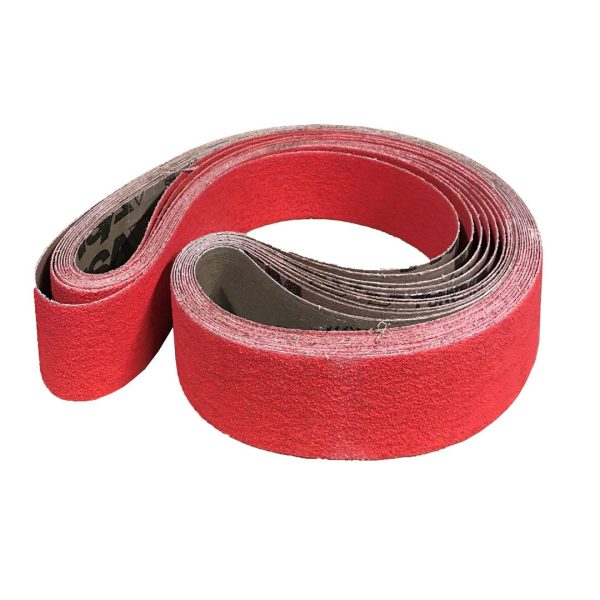
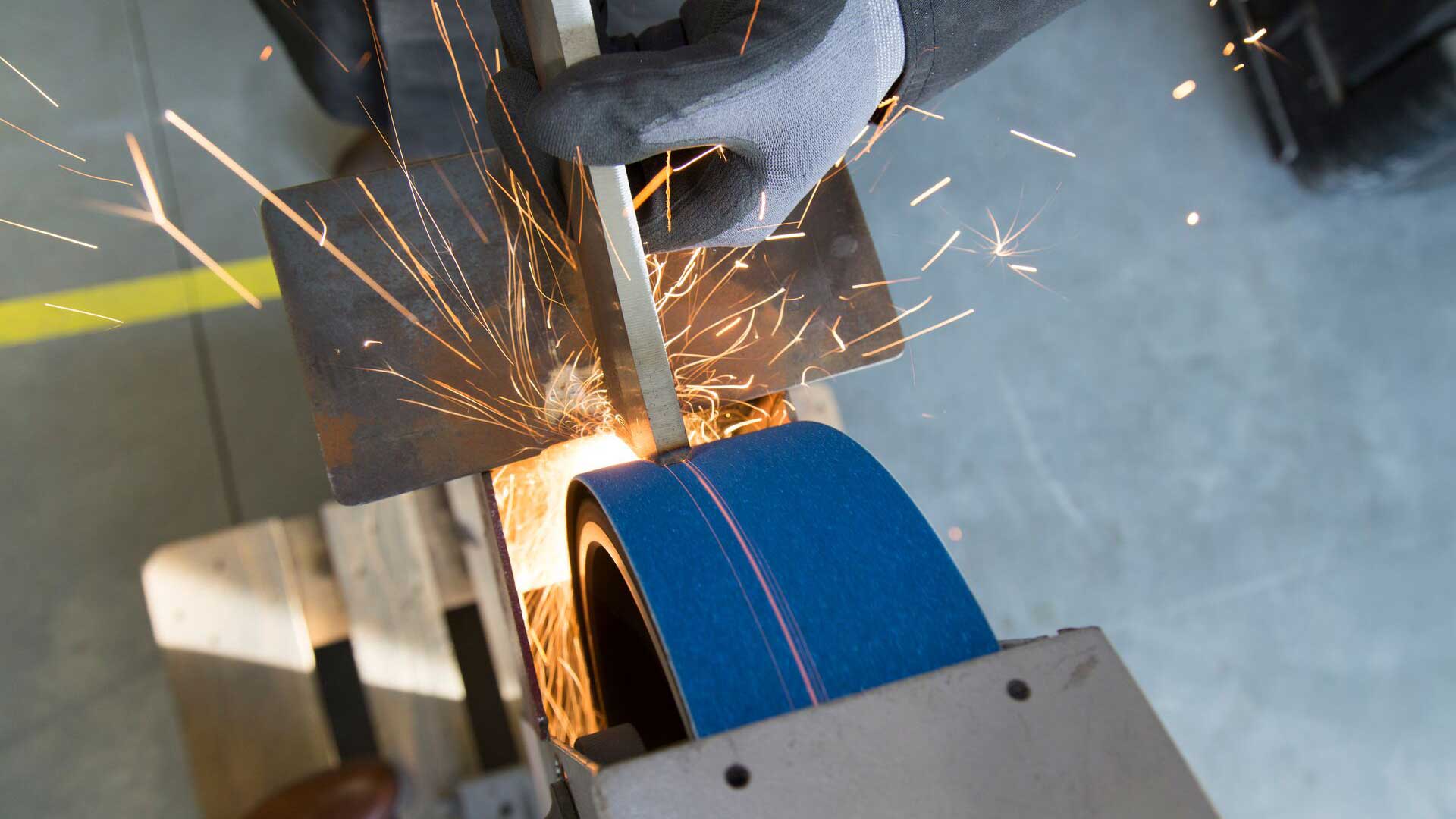
When weld preparation grinding, which normally involves ripping off a lot of metal use our coarse 36 grit belts. HZ72 Zirconia in 36 grit (SKU: HZ72/36/2000X75) will do a great job of grinding stainless steel, steel and aluminium for weld preparation. But… FX87 Ceramic belts in 36 grit (SKU: FX87/36/2000X75) which has grinding aids on the belt, will reduce heat during the grinding process. When grinding in preparation for welds, Ceramic belts operate with a cooler cut, keeping the workpiece temperature lower. Additionally, our FX87 Cibo Ceramic belts cut faster than Zirconia belts, due to their tougher and more durable grains. Cooler and faster cutting action combined with the more durable Ceramic grain gives a significantly longer belt life and ultimately lower cost than with Zirconia grinding belts.
To get the most out of your 2000mm x 75mm belt grinder while tube notching it is key to consider what you are going to use the tubes for after notching.
Fabricating stainless steel demands versatility from your 2000mm x 75mm grinder. For instance, while working on bollards after an end cap has been welded in place, the weld must be removed and finished. 80 grit Ceramic belts (SKU: FX87/80/2000X75) will easily remove the stainless steel tig welds in a controlled manner. Follow this action with a medium surface conditioning belt (SKU: VT/FE2/2000X75), to leave a soft touch 240 grit satin finish that will look great in any commercial setting.
Belt grinders are not the ideal tool for bright polishing, but when needs must, it is possible. If you need to apply a super fine finish or a bright polish, then with great care and a softer contact wheel, you can with Trizact belts. A 240 grit satin finish is a good start point for a polishing process.