November 27, 2025
3 min read
In simple terms: A stiff and heavy duty backing means that the abrasive grit is held in place more firmly. Which means that the abrasive will press harder in to the workpiece and therefore cut more quickly. Whereas a light, flexible backing will allow the abrasive grit to move around more which will in turn reduce the grinding pressure and increasing the conformability with the workpiece.
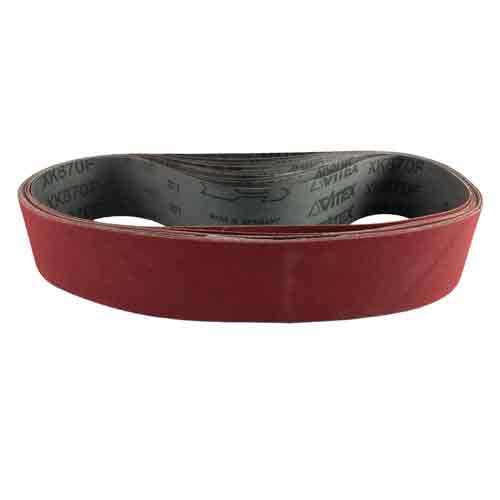
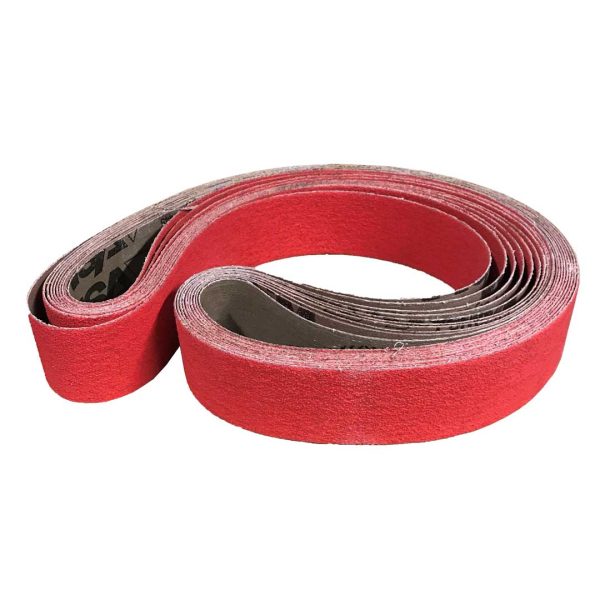
Most abrasive belt materials have a coding on the back which denotes the weight of the abrasive backing. For an aggressive grinding operation choose a heavier Y-weight (Y) or X-weight abrasive cloth.
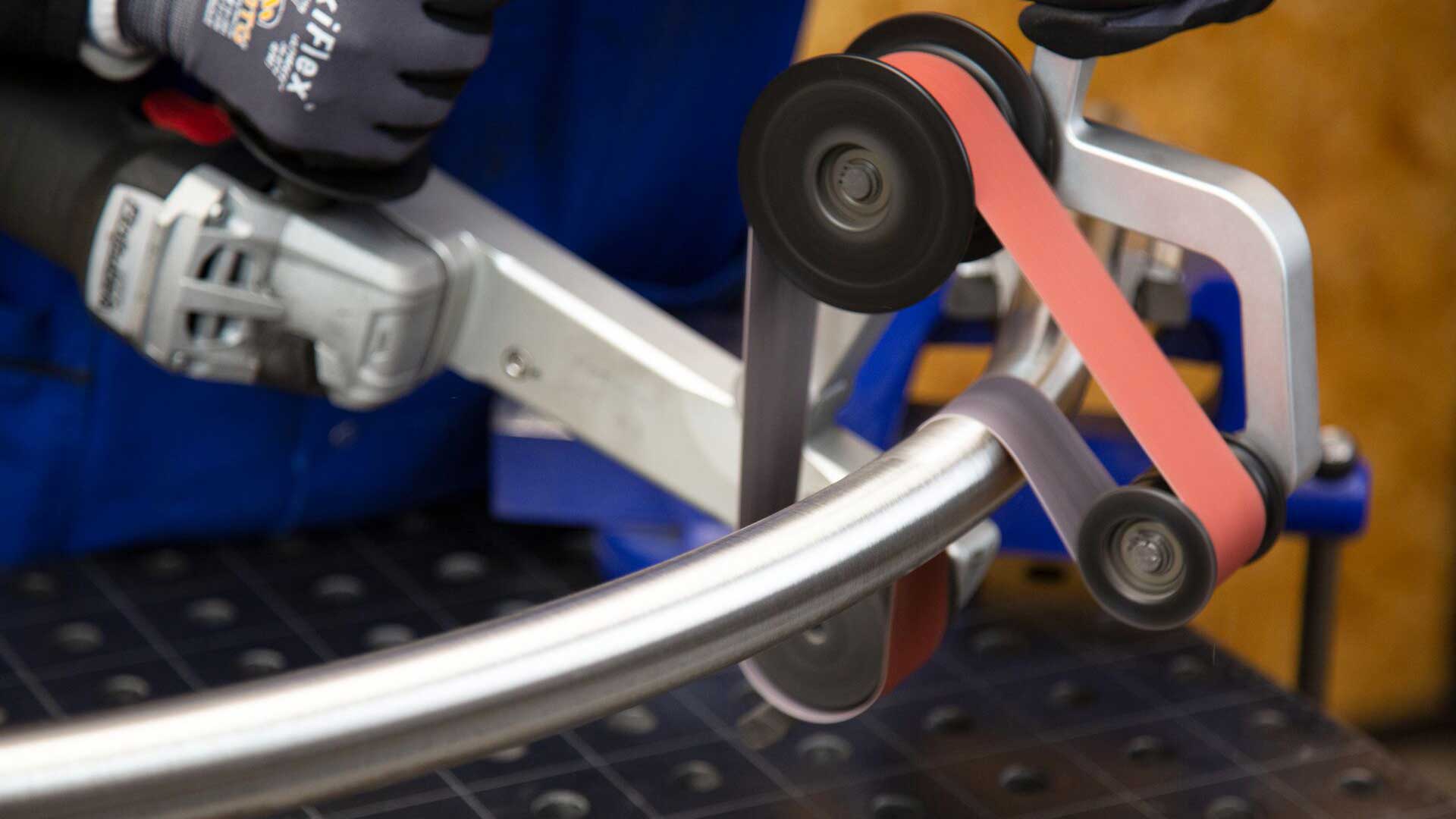
The real world is always one of compromise. Sanding a contoured surface you will need to select a more flexible belt. Sadly this will come at the expense of aggression but it will allow for more consistent sanding. In this type of scenario products such as our FF87 belt materials are excellent. The ‘F’ denotes the flexible backing and as it can be supplied with a 60 grit abrasive grain it can give a high cut rate.
Note: Increasing the flexibility will reduce the speed of cut.
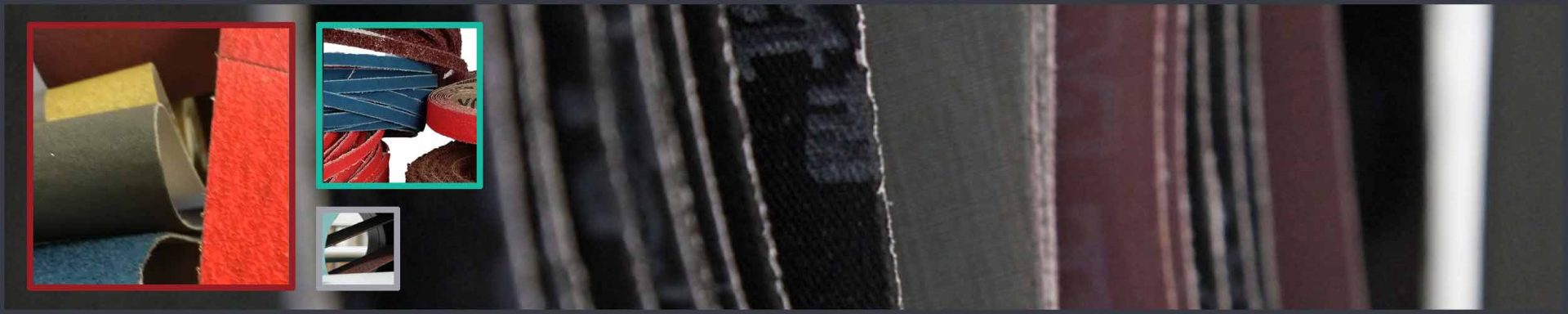
Premium quality coated abrasives are highly technical materials. By applying a range of processes to the material before a belt is made the flexibility characteristics can be changed. For example. In the picture below.
That is why we do Friday Training at AFS!! Give us a ring any time to discuss the right product for your application and our trained sales team will be able to help you get it right, first time, every time.