Recommended Speed for Tungsten Carbide Burrs

Choosing the right speed for tungsten carbide burrs is important. Too fast and you can burn the workpiece and reduce the lifetime of the carbide burrs. Too slow and the burr won't remove material effectively. Read this blog to get a deeper insight into the recommended operating speeds for tungsten carbide burrs.

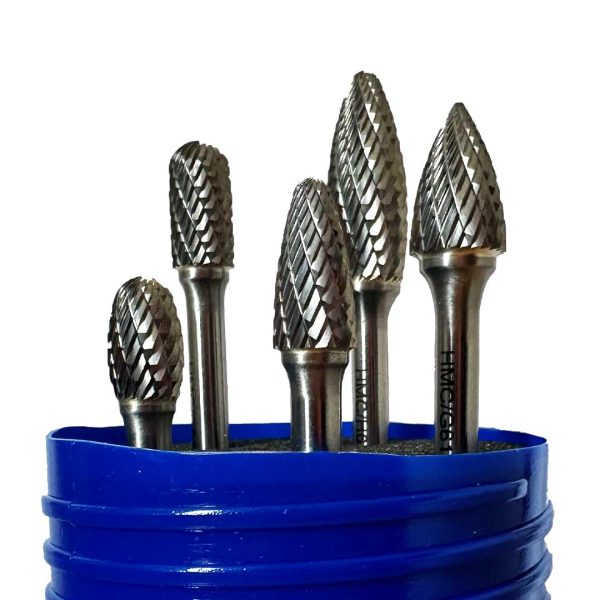
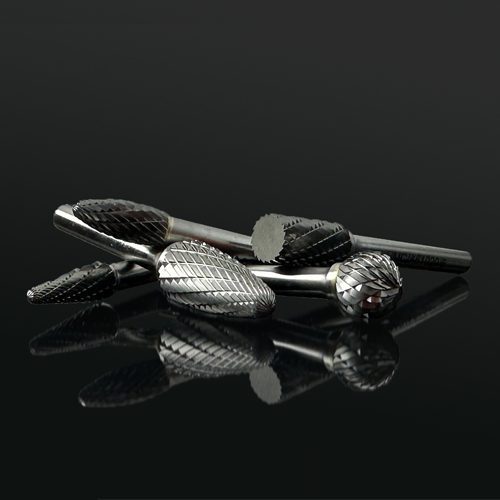
At AFS we have honed our tungsten carbide burr range.  We supply 2 types of burr:

  • Diamond Cut burrs, which have a smaller and close patterned cut across the surface of the burr and have a 20% increased cut compared to standard cut burrs.  Diamond cut burrs are ideal for harder metals and leave a smaller and less ragged finish than single / standard cut burrs.
  • Fluted Cut burrs, which have a single open thread cut from the base to the head of the burr.  This open fluted cut makes them ideal for aluminium and other soft materials such as thermoplastics.

To gain the best performance from our carbide burr range we recommend using our burrs on powerful, high torque motors and counter to most abrasives they benefit from higher surface speeds to optimise burr life.

The AFS Diamond cut tungsten carbide burrs are designed for cutting steel, stainless steel, bronze, cast iron and hard thermo-set plastics.  The recommended speed will vary according to the hardness of the material.  The diamond cut burrs are primarily used for milling, deburring, hole cutting and weld preparation work.  Below we have detailed the recommended cuts according to a wide range of metals:

Recommended Burr Speeds for Steel when using Diamond Cut Burrs

Including carbon steel, mild steel and all harder steel alloys and including tool steels. The recommended peripheral speed is between 7.5 – 12.5ms-1 Peripheral speed of a tool can be quite difficult to interpret so below is a table detailing the recommended rotational speeds of drills and cutting tools, dependent on burr diameter when cutting steels.

For hardened and heat-treated steels and for tool steels it is better to operate at the lower end of the speed range, for mild steel and carbon steels a higher peripheral speed will work well.    

Burr Dia / mmRecommended Cutting Speed
7.5 ms-110 ms-112.5 ms-1
Burr RPMBurr RPMBurr RPM
624,00032,00040,000
818,00024,00030,000
9.614,00019,00024,000
1212,00016,00020,000
16 9,00012,00015,000
Recommended Speeds for Tungsten Carbide Burrs When Cutting Steels

Recommended Burr Speeds for Stainless Steel when using Diamond Cut Burrs

Including duplex, super duplex, ferritic, austenitic and martensitic stainless steels. The recommended peripheral speed is between 7.5 – 10ms-1 Peripheral speed of a tool can be quite difficult to interpret so below is a table detailing the recommended rotational speeds of drills and cutting tools, dependent on burr diameter when cutting stainless steels.

Burr Dia / mmRecommended Cutting Speed
7.5 ms-110 ms-1
Burr RPMBurr RPM
624,00032,000
818,00024,000
9.614,00019,000
1212,00016,000
169,00012,000
Recommended Speeds for Tungsten Carbide Burrs When Cutting Stainless Steels

Recommended Burr Speeds for Cast Iron when using Diamond Cut Burrs

Cast iron hardness can vary significantly dependent on the particular type of cast iron being cut or ground.  For harder cast iron use a slower peripheral speed.  For shaping and radiusing use a higher peripheral speed. The recommended peripheral speed is between 7.5 – 15ms-1 Peripheral speed of a tool can be quite difficult to interpret so below is a table detailing the recommended rotational speeds of drills and cutting tools, dependent on burr diameter when deburring cast iron.

Burr Dia / mmRecommended Cutting Speed
7.5 ms-1 10 ms-112.5 ms-115 ms-1
Burr RPMBurr RPMBurr RPMBurr RPM
624,00032,00040,00048,000
818,00024,00030,00036,000
9.614,00019,00024,00029,000
1212,00016,00020,00024,000
169,00012,00015,00018,000
Recommended Speeds for Tungsten Carbide Burrs When Cutting Cast Iron

Recommended Burr Speeds for Brass, Copper & Bronze Alloys when using Diamond Cut Burrs

Although brass, copper and bronze alloys can cause a burr to load up with metal, when working at lower speeds the diamond cut is an excellent product to use and will leave a finer finish than a fluted cut burr when the speed range is able to be controlled.  We therefore recommend working at slower peripheral speeds with brass and copper.  The recommended peripheral speed is between 4.0 – 7.5ms-1

Burr Dia / mmRecommended Cutting Speed
4.0 ms-1 7.5 ms-1
Burr RPMBurr RPM
613,00024,000
810,00018,000
9.6 8,00014,000
12 7,00012,000
16 5,000 9,000
Recommended Speeds for Tungsten Carbide Burrs When Cutting Brass, Copper & Bronze Alloys

Recommended Burr Speeds for Titanium Alloys when using Diamond Cut Burrs

Where possible we would recommend grinding titanium under flood conditions to prevent heat build-up and excessive heat.  It is for this reason that we recommend working at lower peripheral speeds when using the diamond cut burrs to grind titanium.  The recommended peripheral speed is between 4.0 – 7.5ms-1

Burr Dia / mmRecommended Cutting Speed
4.0 ms-17.5 ms-1
Burr RPMBurr RPM

613,00024,000
810,00018,000
9.6 8,00014,000
12 7,00012,000
16 5,000 9,000
Recommended Speeds for Tungsten Carbide Burrs When Cutting Brass, Copper & Bronze Alloys

The AFS Fluted Cut tungsten carbide burrs are designed specifically for the cutting of aluminium and other soft metals.  Fluted cut burrs can be used for milling, deburring, hole cutting and weld preparation work. 

Recommended Burr Speeds for Aluminium when using Fluted Cut Burrs

For heavy stock removal we recommend working between 10 – 15ms-1 both for lower stock removal and to achieve a slightly finer finish we recommend increase peripheral speed to the higher end of the speed range and ideally 12 – 15 ms-1.  Including carbon steel, mild steel and all harder steel alloys and including tool steels. Peripheral speed of a tool can be quite difficult to interpret so below is a table detailing the recommended rotational speeds of drills and cutting tools, dependent on burr diameter when cutting steels.

Burr Dia / mmRecommended Cutting Speed
10 ms-112.5 ms-115 ms-1
Burr RPMBurr RPMBurr RPM
632,00040,00048,000
824,00030,00036,000
9.619,00024,00029,000
1216,00020,00024,000
1612,00015,00018,000
Recommended Speeds for Tungsten Carbide Burrs When Cutting Steels

What is the maximum Safe operating speed for Carbide Burrs?

The complexity of the carbide burr range makes it difficult to specify a maximum safe operating speed on every carbide burr.  We therefore specify a maximum safe operating speed as being 20% above the maximum operating speed specified for any one burr. 

For example:  HMC/A61020/3 is a fluted cut carbide burr 9.5mm diameter.  The maximum recommended operating speed for this burr is 29,000rpm. 

  • The maximum safe operating speed is therefore specified as being
    • 29,000 x 1.2 = 34,800rpm 

At AFS we have honed our tungsten carbide burr range.  We supply 2 types of burr:

  • Diamond Cut burrs, which have a smaller and close patterned cut across the surface of the burr and have a 20% increased cut compared to standard cut burrs.  Diamond cut burrs are ideal for harder metals and leave a smaller and less ragged finish than single / standard cut burrs.
  • Fluted Cut burrs, which have a single open thread cut from the base to the head of the burr.  This open fluted cut makes them ideal for aluminium and other soft materials such as thermoplastics.

To gain the best performance from our carbide burr range we recommend using our burrs on powerful, high torque motors and counter to most abrasives they benefit from higher surface speeds to optimise burr life.

The AFS Diamond cut tungsten carbide burrs are designed for cutting steel, stainless steel, bronze, cast iron and hard thermo-set plastics.  The recommended speed will vary according to the hardness of the material.  The diamond cut burrs are primarily used for milling, deburring, hole cutting and weld preparation work.  Below we have detailed the recommended cuts according to a wide range of metals:

Recommended Burr Speeds for Steel when using Diamond Cut Burrs

Including carbon steel, mild steel and all harder steel alloys and including tool steels. The recommended peripheral speed is between 7.5 – 12.5ms-1 Peripheral speed of a tool can be quite difficult to interpret so below is a table detailing the recommended rotational speeds of drills and cutting tools, dependent on burr diameter when cutting steels.

For hardened and heat-treated steels and for tool steels it is better to operate at the lower end of the speed range, for mild steel and carbon steels a higher peripheral speed will work well.    

Burr Dia / mmRecommended Cutting Speed
7.5 ms-110 ms-112.5 ms-1
Burr RPMBurr RPMBurr RPM
624,00032,00040,000
818,00024,00030,000
9.614,00019,00024,000
1212,00016,00020,000
16 9,00012,00015,000
Recommended Speeds for Tungsten Carbide Burrs When Cutting Steels

Recommended Burr Speeds for Stainless Steel when using Diamond Cut Burrs

Including duplex, super duplex, ferritic, austenitic and martensitic stainless steels. The recommended peripheral speed is between 7.5 – 10ms-1 Peripheral speed of a tool can be quite difficult to interpret so below is a table detailing the recommended rotational speeds of drills and cutting tools, dependent on burr diameter when cutting stainless steels.

Burr Dia / mmRecommended Cutting Speed
7.5 ms-110 ms-1
Burr RPMBurr RPM
624,00032,000
818,00024,000
9.614,00019,000
1212,00016,000
169,00012,000
Recommended Speeds for Tungsten Carbide Burrs When Cutting Stainless Steels

Recommended Burr Speeds for Cast Iron when using Diamond Cut Burrs

Cast iron hardness can vary significantly dependent on the particular type of cast iron being cut or ground.  For harder cast iron use a slower peripheral speed.  For shaping and radiusing use a higher peripheral speed. The recommended peripheral speed is between 7.5 – 15ms-1 Peripheral speed of a tool can be quite difficult to interpret so below is a table detailing the recommended rotational speeds of drills and cutting tools, dependent on burr diameter when deburring cast iron.

Burr Dia / mmRecommended Cutting Speed
7.5 ms-1 10 ms-112.5 ms-115 ms-1
Burr RPMBurr RPMBurr RPMBurr RPM
624,00032,00040,00048,000
818,00024,00030,00036,000
9.614,00019,00024,00029,000
1212,00016,00020,00024,000
169,00012,00015,00018,000
Recommended Speeds for Tungsten Carbide Burrs When Cutting Cast Iron

Recommended Burr Speeds for Brass, Copper & Bronze Alloys when using Diamond Cut Burrs

Although brass, copper and bronze alloys can cause a burr to load up with metal, when working at lower speeds the diamond cut is an excellent product to use and will leave a finer finish than a fluted cut burr when the speed range is able to be controlled.  We therefore recommend working at slower peripheral speeds with brass and copper.  The recommended peripheral speed is between 4.0 – 7.5ms-1

Burr Dia / mmRecommended Cutting Speed
4.0 ms-1 7.5 ms-1
Burr RPMBurr RPM
613,00024,000
810,00018,000
9.6 8,00014,000
12 7,00012,000
16 5,000 9,000
Recommended Speeds for Tungsten Carbide Burrs When Cutting Brass, Copper & Bronze Alloys

Recommended Burr Speeds for Titanium Alloys when using Diamond Cut Burrs

Where possible we would recommend grinding titanium under flood conditions to prevent heat build-up and excessive heat.  It is for this reason that we recommend working at lower peripheral speeds when using the diamond cut burrs to grind titanium.  The recommended peripheral speed is between 4.0 – 7.5ms-1

Burr Dia / mmRecommended Cutting Speed
4.0 ms-17.5 ms-1
Burr RPMBurr RPM

613,00024,000
810,00018,000
9.6 8,00014,000
12 7,00012,000
16 5,000 9,000
Recommended Speeds for Tungsten Carbide Burrs When Cutting Brass, Copper & Bronze Alloys

The AFS Fluted Cut tungsten carbide burrs are designed specifically for the cutting of aluminium and other soft metals.  Fluted cut burrs can be used for milling, deburring, hole cutting and weld preparation work. 

Recommended Burr Speeds for Aluminium when using Fluted Cut Burrs

For heavy stock removal we recommend working between 10 – 15ms-1 both for lower stock removal and to achieve a slightly finer finish we recommend increase peripheral speed to the higher end of the speed range and ideally 12 – 15 ms-1.  Including carbon steel, mild steel and all harder steel alloys and including tool steels. Peripheral speed of a tool can be quite difficult to interpret so below is a table detailing the recommended rotational speeds of drills and cutting tools, dependent on burr diameter when cutting steels.

Burr Dia / mmRecommended Cutting Speed
10 ms-112.5 ms-115 ms-1
Burr RPMBurr RPMBurr RPM
632,00040,00048,000
824,00030,00036,000
9.619,00024,00029,000
1216,00020,00024,000
1612,00015,00018,000
Recommended Speeds for Tungsten Carbide Burrs When Cutting Steels

What is the maximum Safe operating speed for Carbide Burrs?

The complexity of the carbide burr range makes it difficult to specify a maximum safe operating speed on every carbide burr.  We therefore specify a maximum safe operating speed as being 20% above the maximum operating speed specified for any one burr. 

For example:  HMC/A61020/3 is a fluted cut carbide burr 9.5mm diameter.  The maximum recommended operating speed for this burr is 29,000rpm. 

  • The maximum safe operating speed is therefore specified as being
    • 29,000 x 1.2 = 34,800rpm